(626) 548-2891

Pinhole Gum Rejuvenation®

Scalpel-free, suture-free
solution to gum recession. Invented by Dr. John Chao.

Pinhole Patient

Long lasting results!

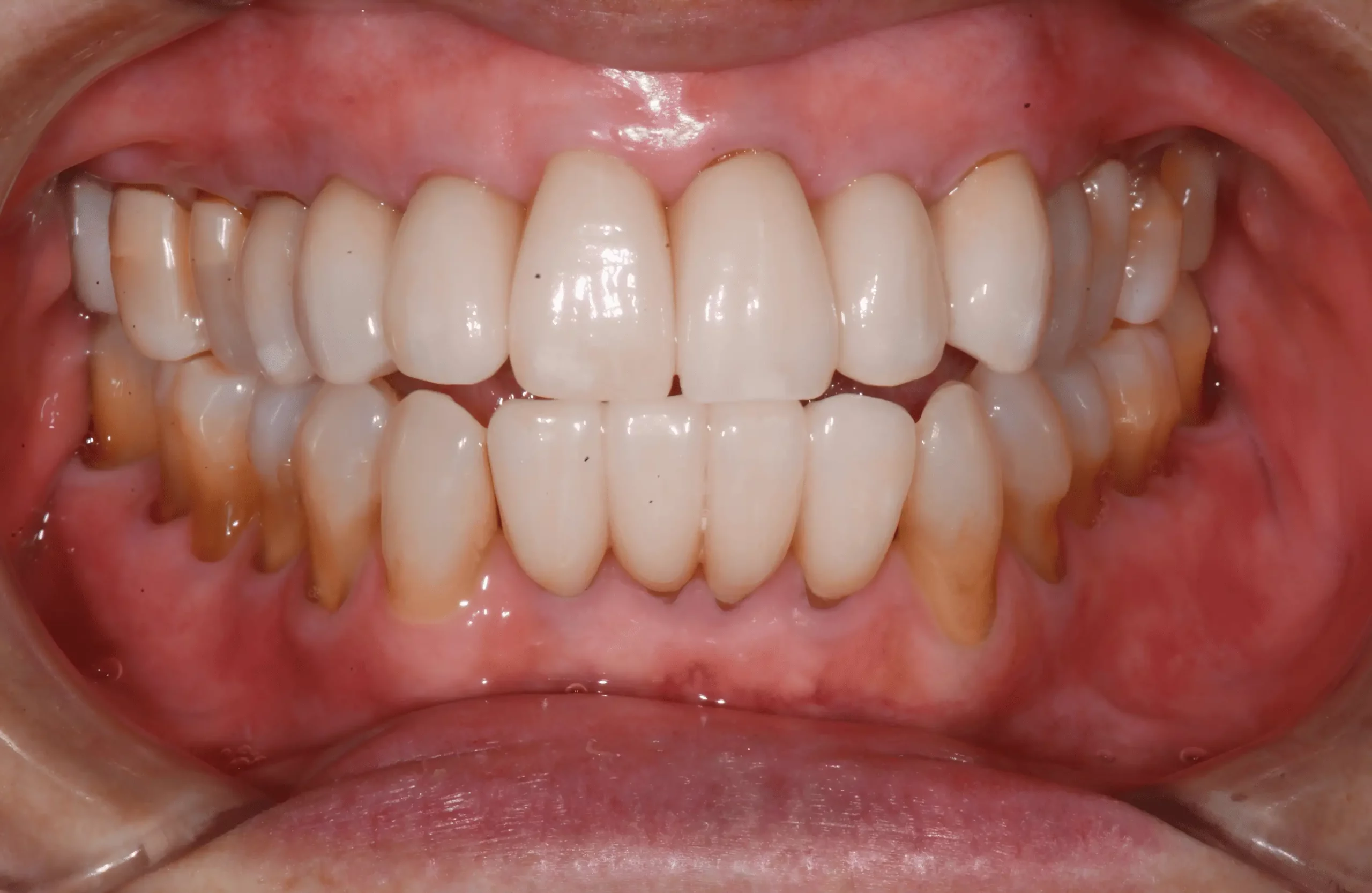
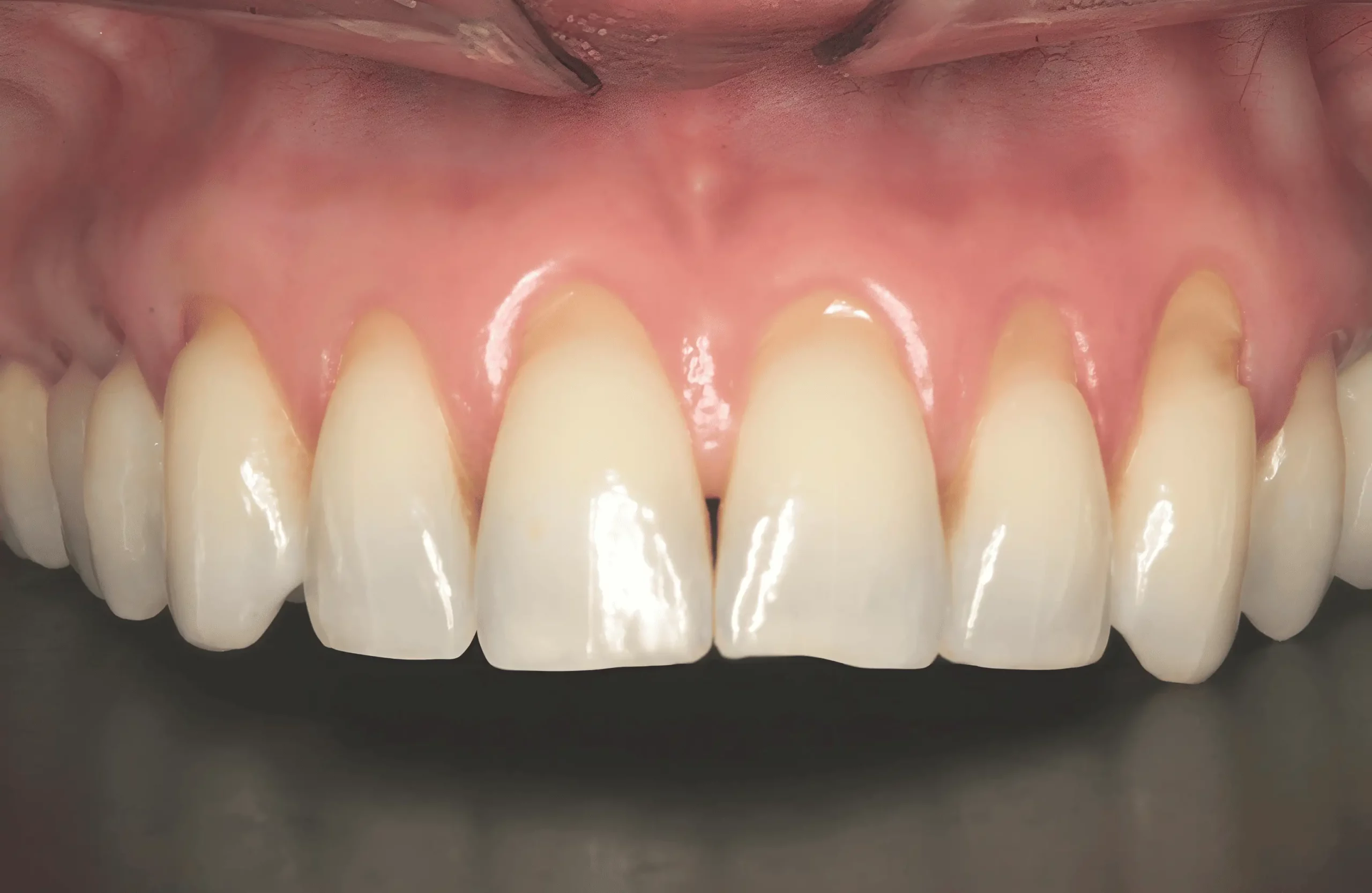
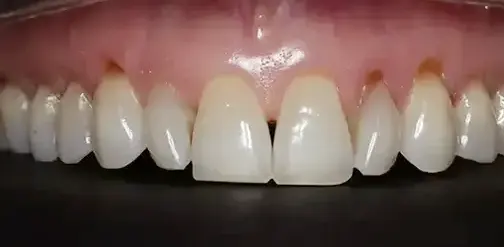
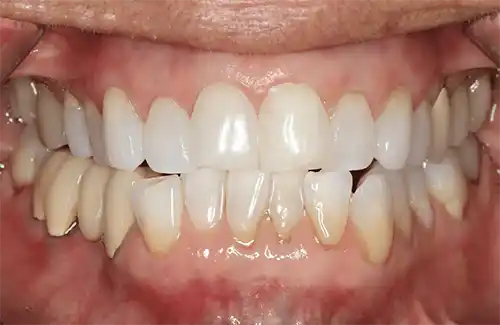
The same gum line 14 years after Pinhole Gum Rejuvenation
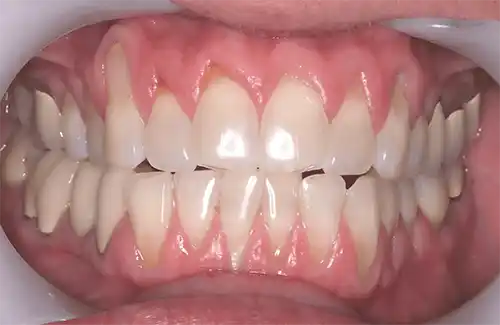
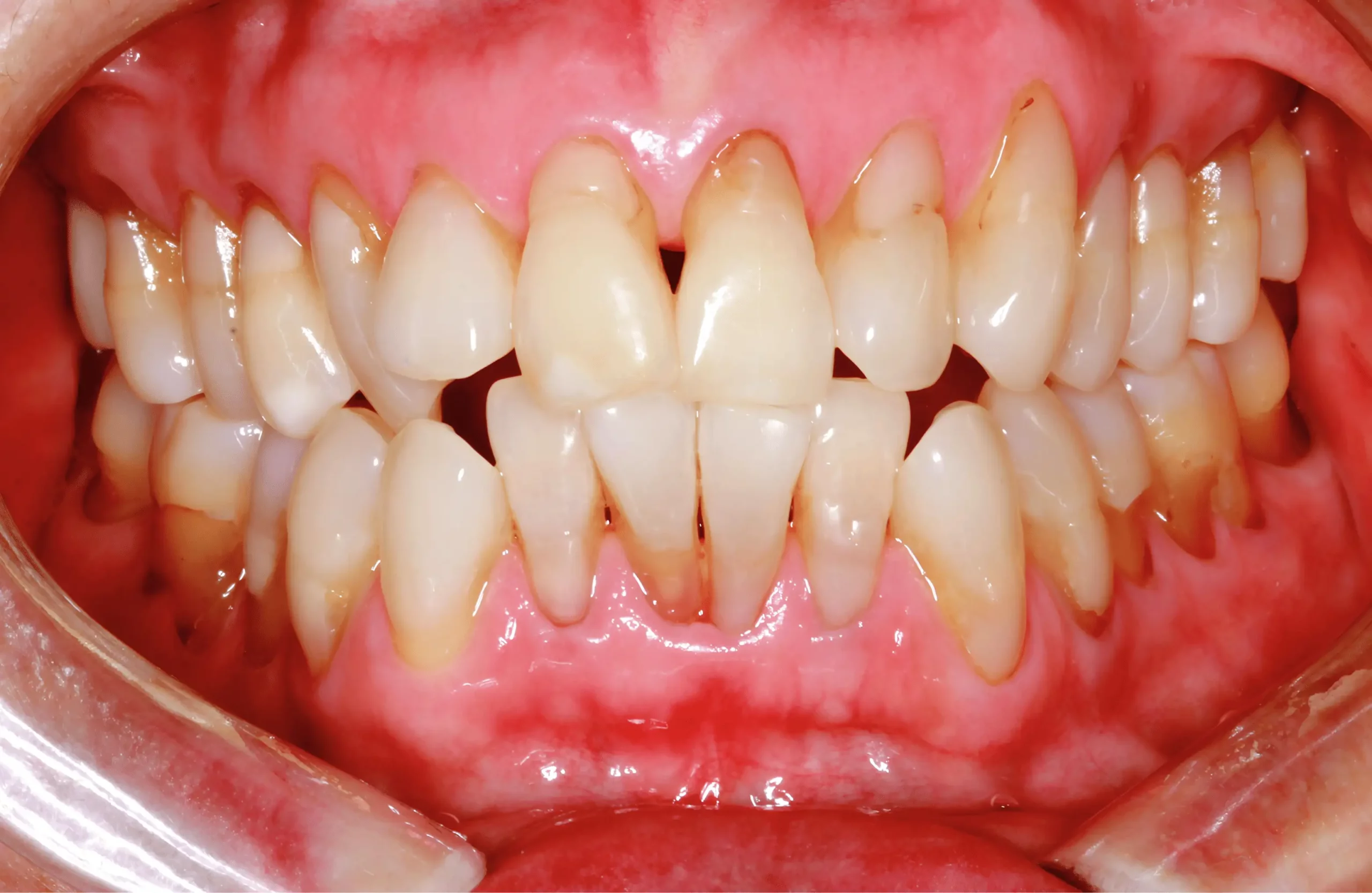
Gum line before Pinhole Gum Rejuvenation, showing recession
Before 14 Years Later
  • Minimally Invasive
  • Same-Day treatment
  • Minimal downtime

John Chao, DDS

Inventor of the Pinhole® Technique

This specialized procedure is practiced by 4,000 Dentists including 1,000+ Periodontists and Specialists

Learn if Pinhole Gum Rejuvenation is right for you!

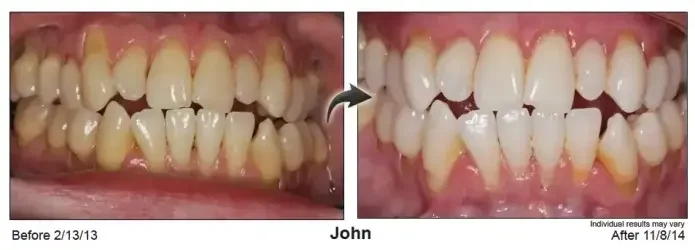
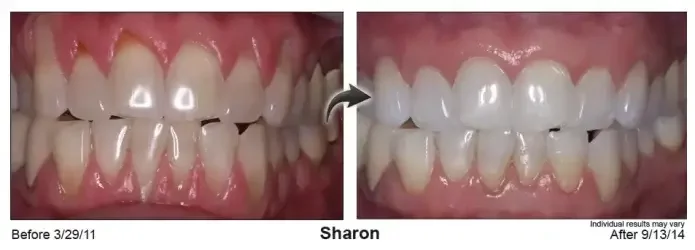
Long-term Pinhole® cases

Eliza T. three years after Pinhole Gum Rejuvenation
Eliza T. before Pinhole Gum Rejuvenation
Before After
3-Year Case
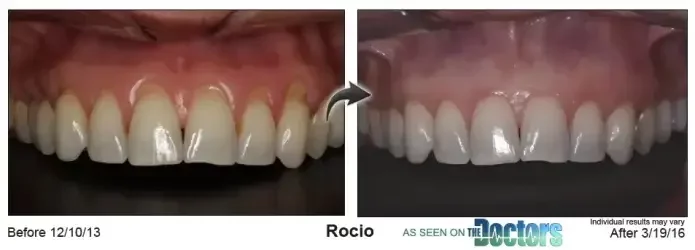
Rocio K. ten years after Pinhole Gum Rejuvenation
Rocio K. before Pinhole Gum Rejuvenation
Before After
10-Year Case
Rodney K. six years after Pinhole Gum Rejuvenation
Rodney K. before Pinhole Gum Rejuvenation
Before After
6-Year Case

What is

Pinhole Gum Rejuvenation®?

No Grafting, No Scalpels, Faster Recovery

Unlike traditional grafting techniques, the Pinhole® Surgical Technique requires no incisions, no sutures, and no grafts.

Rasio, a patient at The Pinhole Clinic

Rasio

Patient Spotlight

★★★★★

Before:When people think of me, it’s my smile and my laughter. My daughter is getting married in May, and I want to express my happiness through my smile.

After:I’m so happy. I’m so excited about this. It really came true. It’s amazing, I can’t believe it.

Learn if Pinhole Gum Rejuvenation is right for you!

Published in International Academic Journals

Long-term Retrospective Case Series of the Pinhole® Surgical Technique

Author(s): John Chao, Elio Reyes Rosales, Edgard El Chaar, Othman Shibly, Mohanad Al-Sabbagh, Le Wen Ma
Published On: January 14, 2025
Published In: International Journal of Periodontics & Restorative Dentistry

Key Highlights

  • This long-term retrospective case series provides follow-up data on the Pinhole® Surgical Technique (PST®) for 28 patients with 68 Miller Class I–II sites.
  • The average follow-up period for this study was 14.5 years, with a total of 173.8 ± 32.2 months.
  • In the follow-up study, the percentage of complete root coverage (CRC) was 77.9%, and the mean root defect coverage was 86.6%, indicating long-term predictability and effectiveness of PST®.
  • These findings support the sustainability of root coverage achieved through PST® over an extended period.
Read full article

A Novel Approach to Root Coverage: The Pinhole® Surgical Technique

Author(s): John C. Chao, DDS
Published On: October 5, 2012
Published In: The International Journal of Periodontics & Restorative Dentistry

Key Highlights

  • This study examines the feasibility of the Pinhole® Surgical Technique (PST®) for root coverage, showing an 81.2% success rate for Class I and II sites.
  • PST® achieved a mean defect reduction of 94.0%, with minimal postoperative complications and no need for secondary surgical sites.
  • The procedure is minimally invasive, with a mean surgery time of 22.3 minutes per site, and offers excellent patient satisfaction (95.1%).
  • PST® is shown to be a predictable, effective, and time- and cost-efficient alternative to traditional methods like free connective tissue grafting (FCTG).
Read full article

Treatment of Gingival Recession Using the Pinhole® Surgical Technique With Collagen Membrane vs Coronally Advanced Flap Technique With Connective Tissue Graft: A Split-Mouth Randomized Clinical Trial

Author(s): Othman Shibly, DDS, MS; John C. Chao, DDS; Jasim M. Albandar, DMD, PhD; Nehal Almehmadi, BDS, MS; Mohanad Al-Sabbagh, DDS, MS
Published On: January 01, 2025
Published In: Compendium, Volume 46, Issue 1

Key Highlights

  • This study compared the treatment of gingival recession defects using two techniques: the Coronally Advanced Flap (CAF) with Connective Tissue Graft (CTG) and the Pinhole® Surgical Technique (PST®) with Collagen Membrane (CM).
  • The investigation was a randomized, split-mouth clinical trial involving 36 subjects with bilateral gingival recession defects.
  • At the 1-year follow-up, both groups showed significant reduction in recession depth, with similar outcomes in root coverage (PST® + CM: 63.6% vs CAF + CTG: 65.4%) and recession reduction (PST® + CM: 1.97 mm vs CAF + CTG: 1.98 mm).
  • There were no significant differences between the groups in postoperative pain or patient satisfaction.
Read full article

What is

Gum Recession?

Exposed tooth roots are the result of gum recession. You may wish to enhance your smile by covering one or more of these roots that make your teeth appear too long. Or, maybe you’re not bothered by the appearance of these areas, but you cringe because the exposed roots are sensitive to hot or cold foods and liquids.

Your gums may have receded for a variety of reasons, including aggressive tooth brushing or periodontal disease. You may not be in control of what caused the recession, but, prior to treatment, we can help you identify the factors contributing to the problem. Once these contributing factors are controlled, treatment can begin to prevent additional recession and bone loss.

Traditional gum recession treatments involve the use of donor tissue or soft tissue grafts in order to rebuild the gumline. This soft tissue would be sutured in place and would join with existing gum tissue as it healed. While this traditional grafting treatment is effective, comparable results with better patient experience can be achieved through the Pinhole Gum Rejuvenation®.

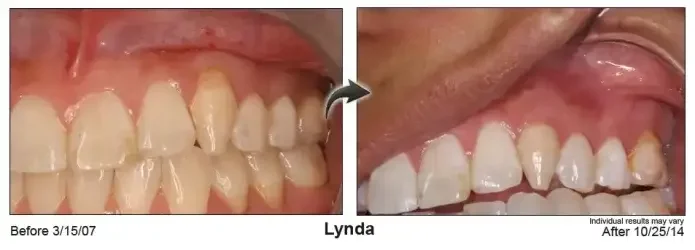
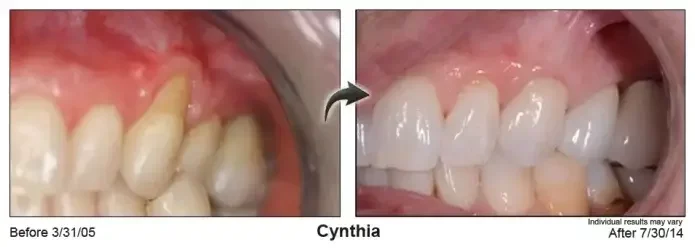
During the Pinhole Gum Rejuvenation®, a needle is used to make a small hole in the patient’s existing gum tissue. Through this pinhole, special instruments are used to gently loosen the gum tissue. These tools help expand and slide the gumline to cover the exposed root structure.

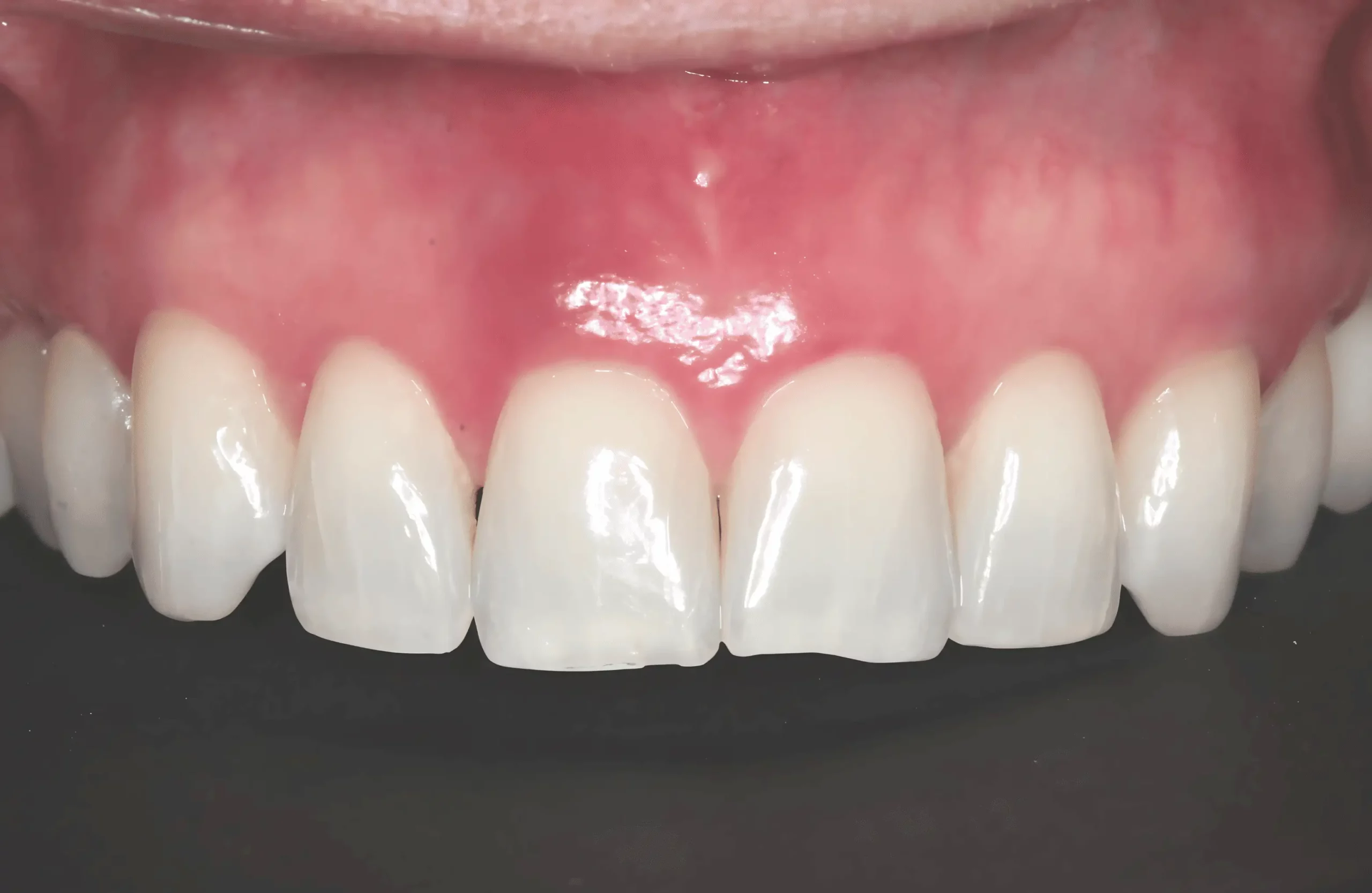
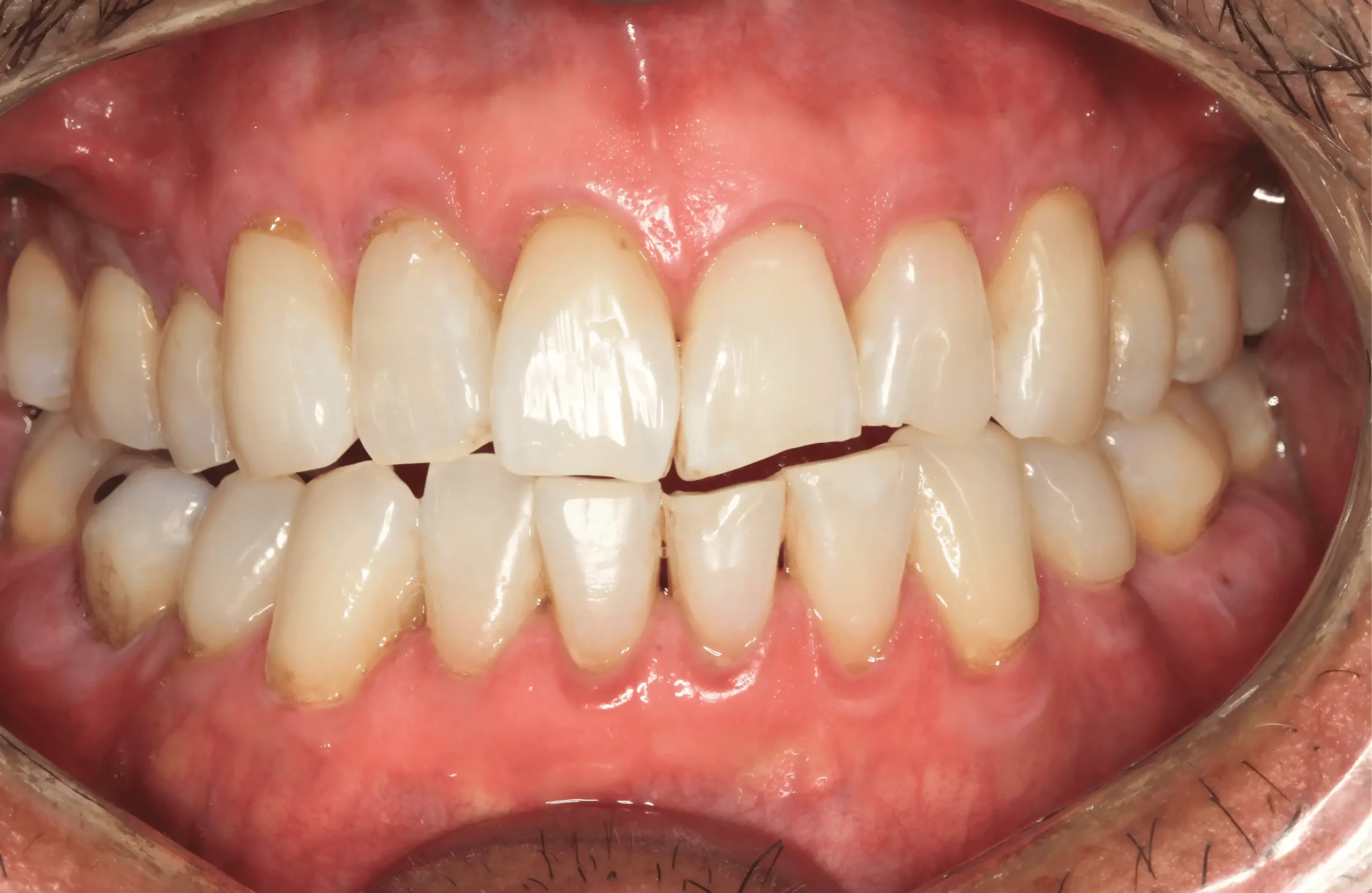
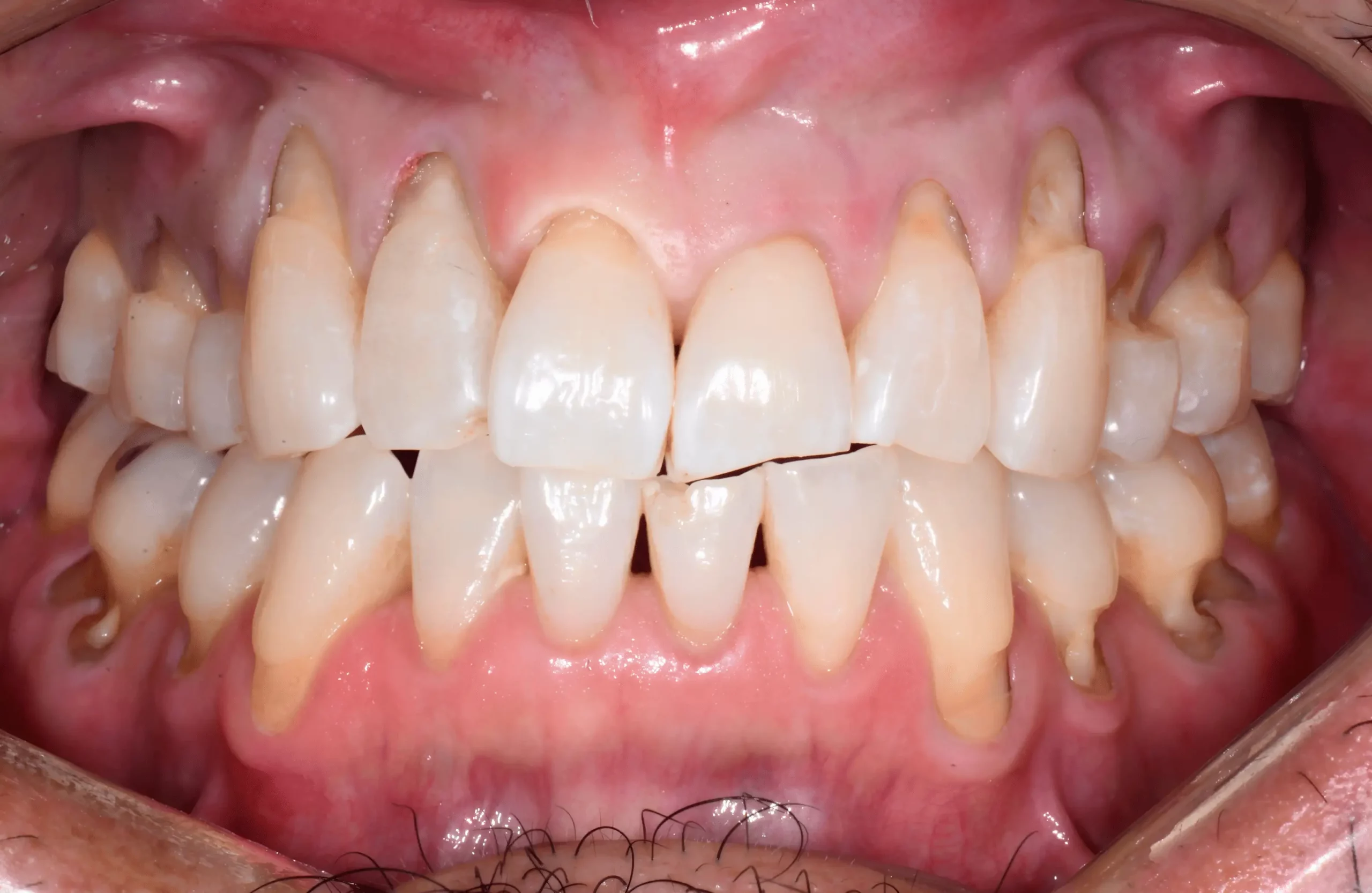
The same gum line after Pinhole Gum Rejuvenation
Gum recession before treatment
Before After

Symptoms of

Gum Recession

  • Tooth sensitivity
  • Abnormally lengthened visible tooth
  • Exposed roots

Benefits of

Pinhole® Surgery vs. Traditional Grafting

Pinhole® Technique compared with traditional gum grafting
Benefits Pinhole® Technique Traditional Gum Grafting
Invasiveness Minimally invasive Requires cutting & stitching
Healing Time Fast recovery (24–48 hours) Several weeks
Comfort Little to no discomfort More pain & swelling
Results Immediate improvement Gradual healing

Learn if Pinhole Gum Rejuvenation is right for you!

What People Say

Testimonials

  • Scotch Crisostomo

    ★★★★★

    Dr. Chao is truly exceptional. I had the pinhole surgical technique done for gum recession over two years ago, and my gums still look healthy, thick, and strong today. The results have held beautifully. The entire staff has been consistently kind, professional, and attentive throughout the process and follow-ups. I’m incredibly grateful for the care and expertise I received and would highly recommend this office to anyone dealing with gum recession.

    View review on Google (opens in a new tab)
  • Pearson Nibley

    ★★★★★

    I have had a great experience over the past few years with Dr. Chao and his team, and the photos to prove it below! The top row is from before my pinhole procedure in 2022 and the bottom photos are from a recent office visit in December 2025. You can see the improvements and how my gum line looks better.

    Dr. Chao is very friendly, knowledgeable and his staff is so great and caring. I look forward to continuing with them and the free annual check-up/cleaning they provide after your pinhole procedure!

    View review on Google (opens in a new tab)
  • Ginger de Paris

    ★★★★★

    I searched for the BEST dentist in this world who could help me with my receding gum problem and I found Dr Chao and his miraculous pinhole technique! He saved my gum and from losing my teeth! He deserves 5 stars! I have always received the best care I have ever experienced at each visit, with great attention to details, and his caring and skilled staff always makes you feel calm and relax. Although I moved to Arizona recently I drive all the way to Alhambra for my regular teeth cleanings. I trust him 100% for all my dental needs… he is the BEST dentist I ever had in my life.

    View review on Google (opens in a new tab)

As Seen On

Consultation at Chao Pinhole

Common Questions

Does it hurt?
Minimal discomfort, no stitches needed.
How long does the procedure take?
Usually 1–2 hours.
How long do results last?
Long-lasting with proper care.

Call Now to Speak to a Gum Rejuvenation Advisor

Ready to Restore Your Smile?

Schedule Your Consultation Today

Dr. John Chao, DDS, MAGD

John Chao, DDS

General Dentist in the LA Area

  • Meet the inventor of The Pinhole Gum Rejuvenation®
  • Has performed over 10,000 Pinhole® procedures

Dr. Chao’s extensive and in-depth knowledge of every specialty allows him to diagnose your condition accurately and often offers you unique solutions that you would not easily find anywhere else. His induction as a Master of the Academy of General Dentistry is just one example of the many awards and accreditations Dr. Chao has received over the years. He has a widespread reputation as a lecturer and teacher both to undergraduate and postgraduate students.

Schedule Your

Book Your Consultation

Select a date below to request your appointment with Dr. Chao

Traveling 25+ Miles to Visit Us? Right Now, We’re Waiving The Initial Consultation Fee ($100 Value)!

00Hours
00Minutes
00Seconds

*X-rays, CBCT scans, laboratory testing, and other diagnostic services, if clinically indicated, are separate and are not included. Any recommended diagnostic services and their fees will be explained before they are performed.

Pinhole® Surgical Technique (PST®)

Questions & Answers

What is the Pinhole® Surgical Technique (PST®)?

The Pinhole® Surgical Technique (PST®) is a minimally invasive procedure for treating gingival recession without a donor site, surgical incision, or sutures. Through small access points (“pinhole” openings), existing gingival tissue is gently released and repositioned over exposed root surfaces while preserving blood supply and supporting biologic wound healing.

Did the Pinhole® Surgical Technique evolve from earlier periodontal techniques?

Yes. PST® evolved from decades of scientific development in periodontal and mucogingival surgery. It incorporates established principles such as tissue release, preservation of vascularity, and biologic wound healing, representing a refinement of minimally invasive approaches rather than a departure from conventional periodontal care.

Who developed the Pinhole® Surgical Technique?

The Pinhole® Surgical Technique (PST®) was developed by John Chao, DDS, a practicing clinician and researcher. Dr. Chao introduced PST® after years of clinical refinement, has published long-term outcomes in peer-reviewed dental literature, and has trained dentists in the technique through formal educational programs.

How is PST® different from traditional gingival graft surgery?

The primary difference is the method of access and tissue management. Traditional gingival graft surgery typically requires surgical incisions, sutures, and often donor tissue harvesting. PST® is performed through small access points (“pinhole” openings) and repositions existing gingival tissue without donor sites, surgical incisions, or sutures, while preserving blood supply to support biologic wound healing.

In addition, PST® is performed as a full-thickness flap, which is intended to minimize tissue trauma and preserve vascular support. Compared with split-thickness approaches (which may reduce vascularity to portions of the mobilized tissues), a full-thickness approach is designed to maintain more complete blood supply — supporting biologic healing and tissue stability.

The choice between techniques depends on clinical findings, patient preferences, and treatment goals.

Is full-arch treatment with PST® unusual?

No. Treating multiple teeth — or an entire arch — in a single session is a common and intentional feature of PST®. Because PST® is performed through small access openings and does not require donor tissue harvesting, broader regions can often be addressed efficiently, allowing single-arch or dual-arch regions to be treated efficiently in a single visit when clinically appropriate.

Is PST® suitable for severe gingival recession, or only mild cases?

Like grafting, PST® may be used for mild, moderate, and severe gingival recession, depending on case-specific factors. No single method treats every case, and appropriate candidacy must be determined clinically. In general, if grafting would be considered an appropriate treatment option, PST® may also be considered, depending on diagnosis.

The primary objectives commonly include long-term tissue stability, root protection, and augmentation of gingival phenotype (increased thickness). The final gingival margin position (“gumline”) is determined primarily by tissue phenotype and biologic wound-healing response, rather than operator “placement” alone.

Overcorrection may be utilized to allow the biology and phenotype to express the final margin position during healing.
How many dentists have been trained in the Pinhole® Surgical Technique?

Approximately 4,000 dentists worldwide have completed certification in the Pinhole® Surgical Technique (PST®). Of these, about 1,000 are specialists, including periodontists. Training has been conducted personally by Dr. John Chao, the inventor of the technique.

How long do the results of PST® last?

Peer-reviewed clinical research and long-term follow-up data indicate that PST® can provide stable outcomes over time when performed on appropriately selected patients and supported by periodontal maintenance. PST® was first reported in the International Journal of Periodontics & Restorative Dentistry (IJPRD) in 2012, and a long-term retrospective follow-up published January 14, 2025 in the same journal reported sustained clinical outcomes at an average follow-up of 14.5 years in Class I–II recession sites, supporting long-term predictability within the limitations of that study design.

Long-term stability is supported by normal biologic healing and remodeling — particularly when gingival thickness is maintained, inflammation is controlled, and the patient follows consistent oral hygiene with regular professional periodontal maintenance.

Is gingival recession mainly a cosmetic concern?

No. Gingival recession may be a visible manifestation of underlying periodontal breakdown and loss of supporting tissues. Root exposure can increase vulnerability to biofilm retention, root caries, dentin hypersensitivity, and progression of attachment loss in susceptible patients. Treating recession is therefore often important for long-term periodontal stability and tooth prognosis, in addition to aesthetics.

How much does the Pinhole® Surgical Technique (PST®) cost?

The cost of PST® varies based on the extent of treatment, number of teeth involved, and case complexity. Fees are generally comparable to established mucogingival grafting procedures. Patients may find it helpful to review typical grafting fee ranges in their area and then discuss individualized treatment planning and cost estimates following a clinical evaluation.

Is the Pinhole® Surgical Technique (PST®) covered by insurance?

Insurance coverage varies by plan terms, exclusions, deductibles, annual maximums, and documentation requirements. Coverage for treatment of gingival recession is often determined by diagnosis and medical necessity rather than the specific technique used. Verification with the individual plan is recommended, and many dental offices offer payment options to help patients manage out-of-pocket costs.

Why should PST® be performed only by a trained clinician?

PST® is technique-sensitive and requires specialized training and instrumentation. Formal training supports appropriate diagnosis and case selection, careful tissue handling, and predictable outcomes while minimizing complications.

Get in touch for your

Best Oral Health Solution

Get In Touch

We are pleased to help you in any way we can. Contact us if you have any questions or to schedule an appointment.

Call now to speak to a Gum Rejuvenation Advisor

(626) 548-2891

Are you a dentist?

Call us to refer a patient
Call Us Book Now